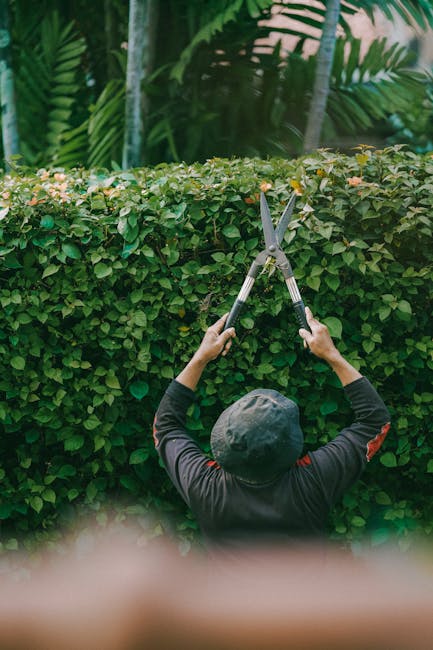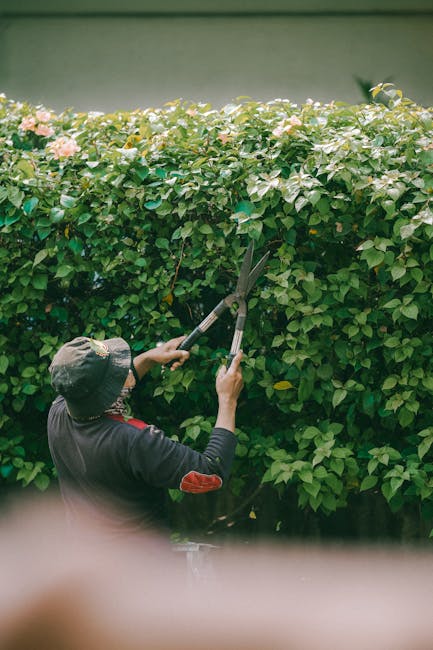
Selsdon gardeners pruning and hedge care near CR2: a practical guide for healthier, tidier gardens
If your garden in Selsdon is starting to look a little unruly, you are not alone. Hedges can grow faster than you expect, shrubs lose their shape, and one missed season of pruning can make everything feel harder to manage. That is exactly where Selsdon gardeners pruning and hedge care near CR2 comes in: the steady, skilled work that keeps a garden neat, balanced, and genuinely pleasant to spend time in.
This guide explains what proper pruning and hedge care involves, why it matters in a local South London garden, how the work is usually carried out, and what to look for if you are choosing a gardener. We will keep it practical. No fluff. Just the sort of advice that helps you decide what needs doing now, what can wait, and where professional help makes the most sense.
- Why it matters
- How it works
- Key benefits
- Who it is for
- Step-by-step guidance
- Expert tips
- Common mistakes
- Tools and resources
- Law, compliance and best practice
- Options and comparison
- Real-world example
- Practical checklist
- Conclusion
- Frequently asked questions
Why Selsdon gardeners pruning and hedge care near CR2 Matters
Pruning is not just about making a garden look tidy for a weekend. Done properly, it improves plant health, controls size, encourages flowering or fruiting where relevant, and prevents problems from creeping in. Hedge care does a similar job on a bigger scale: it keeps boundaries neat, preserves privacy, and stops a hedge from becoming top-heavy or patchy.
In Selsdon, where many gardens have a mix of mature shrubs, boundary hedging, and compact family spaces, regular care makes a big difference. A hedge that is left alone for too long can block light, crowd paths, and make the whole garden feel smaller. A shrub that is cut badly can look hacked back for months. Truth be told, the difference between "trimmed" and "well cared for" is obvious when you see it up close.
There is also the practical side. Overgrown hedges can catch wind, shed dead material, and put strain on fences or walls. Pruning at the right time helps you avoid expensive catch-up jobs later. That is why many homeowners prefer a routine approach through regular garden maintenance rather than waiting until everything feels out of control.
Expert summary: Good pruning is selective, not aggressive. Good hedge care is consistent, not occasional. If you keep those two ideas in mind, most garden problems get easier to manage.
How Selsdon gardeners pruning and hedge care near CR2 Works
The process usually starts with a quick look at what is growing, how dense it is, and what the garden needs most. A professional gardener will not treat every hedge or shrub the same way. Different plants respond differently, and that matters more than people think. Some hedges tolerate shaping cuts well, while others need a lighter touch to avoid bare patches.
For hedge care, the work often involves shaping the sides, levelling the top, removing dead or damaged material, and checking whether the hedge is becoming too wide or too tall for the space. With pruning, the work may include thinning crowded stems, cutting back growth to an outward-facing bud, and removing anything crossing or rubbing. Small details, big effect. That is usually how the best results are made.
The timing depends on plant type, flowering season, bird nesting activity, and the condition of the garden. A sunny spring day can make the job feel easy, but timing still matters. Some hedges need a light trim more often; others are better left until they finish flowering. In practice, a knowledgeable gardener balances appearance with plant health rather than chasing a perfect geometric line every time.
If the garden has become very overgrown, pruning may be paired with garden clearance to remove waste, open up access, and make the space workable again. For gardens with a larger layout or multiple features, some clients also combine this with landscape gardening so the planting and structure feel intentional rather than patchy.
Key Benefits and Practical Advantages
There are a few clear reasons people keep coming back to regular hedge trimming and pruning. None of them are flashy, but they matter in day-to-day life.
- Better plant health: Removing dead, diseased, or congested growth helps plants breathe and recover.
- Cleaner kerb appeal: Neat edges and balanced shapes make a garden look looked-after almost instantly.
- Improved light and space: Cutting back oversized growth can brighten patios, paths, and windows.
- Safer access: Overgrown stems near steps or paths can be awkward and, frankly, a bit of a nuisance.
- Long-term savings: Regular care is usually cheaper and less stressful than letting a hedge run wild for years.
- Better privacy control: A well-kept hedge gives screening without turning into a heavy, shapeless wall of leaves.
There is a comfort factor too. A tidy hedge gives the whole space a sense of order. You notice it when you sit outside with a cup of tea and the garden just feels calmer. Slightly more civilised, perhaps.
Who This Is For and When It Makes Sense
Selsdon gardeners pruning and hedge care near CR2 suits a wide range of homeowners and property managers. It is especially useful if your garden has one or more of the following:
- boundary hedges that have outgrown their shape
- shrubs that flower poorly or have too much woody growth
- hedges blocking light or hanging over paths
- recently neglected planting that needs careful recovery work
- a garden that looks untidy despite regular mowing
- fences, patios, or seating areas being crowded by growth
It also makes sense if you simply do not have the time, tools, or confidence to do the work well. Hedge work looks simple until you are standing on a ladder, trying to keep a straight line while the branches fight back a bit. Not everyone wants that job, and that is perfectly reasonable.
If you already know your garden needs broader attention, a combined service such as garden maintenance or hedge trimming can be a more practical option than piecemeal jobs. And if the issue is one of safety or very heavy overgrowth, tree lopping and removal may also be relevant where larger woody growth is involved.
Step-by-Step Guidance
If you are planning hedge care or light pruning yourself, or you simply want to understand what a gardener should be doing, this is the basic workflow. It is not complicated, but the order matters.
- Inspect the plants first. Look for dead wood, tangled stems, disease, sparse areas, nesting birds, and any branches crossing structures.
- Decide the purpose of the cut. Are you shaping, reducing height, improving health, or restoring a neglected hedge? The answer changes the approach.
- Choose the right season where possible. Flowering shrubs and hedges should usually be handled at the correct time for the species, not just when the weather feels nice.
- Use sharp, clean tools. Blunt blades tear growth rather than slicing it cleanly, and the plant can look ragged afterwards.
- Work from the inside out. Remove dead or crowded stems before making the final shape. That is the part many people skip.
- Keep the hedge slightly wider at the base. This helps light reach lower leaves and reduces the "bare legs" problem.
- Clear waste as you go. It keeps the work area safe and helps you see the shape properly.
- Step back often. A hedge can look fine up close and lopsided from ten feet away. It happens all the time.
If the garden has a lot of loose cuttings, combine the job with garden clearance so the final result feels finished rather than half-done. That little detail changes the whole experience.
Expert Tips for Better Results
There are a few habits that separate decent hedge work from really good hedge work. They are simple, but useful.
- Trim to the plant, not to the habit. In other words, do not force every hedge into the same straight-jacket shape. Some plants want a softer outline.
- Leave flowering shrubs alone at the wrong time. Cutting too early can mean losing the display for the year. Annoying, and avoidable.
- Do little and often for fast-growing hedges. A light trim can be better than one dramatic cut that leaves gaps.
- Use hedges to frame the space. Good hedge care should support the garden design, not just stop it from looking wild.
- Check the base. If the bottom is too shaded, the hedge can thin out there. That is one of those things you only really learn by seeing it happen a few times.
One practical tip from the field: after a proper trim, the garden often looks bigger straight away. It is not magic. You have simply got light, edges, and lines back under control.
For customers wanting a fuller refresh, a gardener may also suggest pairing the work with lawn mowing so the whole frontage or rear garden looks consistent. Little jobs add up fast.
Common Mistakes to Avoid
Most hedge problems are not caused by one huge error. They are usually the result of a few smaller ones repeated over time. A bit like forgetting to charge a drill, then discovering it half-way through a job. Mildly irritating.
- Cutting too hard, too quickly: Severe pruning can leave hedges thin, stressed, or uneven.
- Ignoring plant type: Different shrubs and hedges need different treatment. A one-size-fits-all approach is risky.
- Using blunt or dirty tools: This increases damage and can spread issues from one plant to another.
- Trimming in poor conditions: Wet weather can make the job messier and harder to judge accurately.
- Forgetting the rear and sides: A hedge that looks fine from one angle may be hiding problems elsewhere.
- Leaving waste piled up: Cuttings block access, conceal mistakes, and make the site feel untidy.
Another common issue is impatience. People want an overgrown hedge fixed in one go, but sometimes the right answer is staged reduction over more than one visit. That is especially true where the hedge has been neglected for years. Slow and steady can be the smarter route.
Tools, Resources and Recommendations
You do not need an enormous kit for basic pruning and hedge care, but the tools you do use should be in decent condition. A clean cut is kinder to the plant and easier on the person doing the work.
| Tool or resource | Best use | Practical note |
|---|---|---|
| Hand secateurs | Small stems, detailed pruning | Best for precision and shaping around delicate growth |
| Loppers | Thicker stems and awkward cuts | Useful when secateurs are not enough, but avoid overreaching |
| Hedge trimmer | Long hedge runs and uniform shaping | Good for speed, though finish quality still depends on technique |
| Gloves and eye protection | Basic personal safety | Simple, sensible, and worth wearing even for small jobs |
| Green waste bags or collection plan | Cuttings and debris | Helps keep the site clean and avoids extra trips around the garden |
For larger projects, it can help to speak with a provider that offers broader services overview information so you can decide whether pruning, hedge cutting, lawn work, or clearance should be bundled together. If you are comparing options, pricing and quotes information is also useful for understanding what is included before any work begins.
If sustainability matters to you, ask how the waste will be handled. Some gardens produce a surprising amount of green waste after one good tidy-up, and responsible disposal is part of the job. You can also look at a provider's approach to recycling and sustainability if that is important for your household.
Law, Compliance, Standards, or Best Practice
With pruning and hedge care, there are a few common-sense compliance and best practice points worth keeping in mind in the UK. The details vary depending on the plant, the location, and the work involved, so it is best to treat this as guidance rather than a rigid rulebook.
For example, nesting birds can be a concern during the breeding season, so hedge work should be planned carefully and paused if active nests are present. That is standard good practice, not a dramatic legal lecture. In plain English: if a hedge is clearly being used by wildlife, don't rush into cutting it back.
Health and safety also matters. Taller hedges, ladders, power tools, and awkward slopes all increase the risk of injury. Responsible gardeners should work carefully, use suitable equipment, and follow sensible risk controls. If you are hiring someone, it is reasonable to ask about health and safety policy and insurance and safety before the work starts.
Good practice also includes respecting boundaries, checking for services or obstacles, and leaving the site tidy. If a job creates a disagreement, a clear complaints procedure is a good sign that the business is organised and accountable. It sounds boring. It is not boring when you need it.
Options, Methods, or Comparison Table
There are several ways to handle pruning and hedge care, and the best choice depends on the size of the garden, the type of hedge, and how much work needs doing.
| Approach | Best for | Pros | Limitations |
|---|---|---|---|
| Light DIY trim | Small hedges and simple shrubs | Low cost, quick to arrange | Easy to overcut or leave uneven lines |
| Regular professional hedge trimming | Most boundary hedges and routine upkeep | Consistent shape, tidy finish, less effort for you | Needs scheduling and clear brief |
| Selective pruning | Shrubs, shaped plants, and health-focused cuts | Better plant response, more natural look | Takes judgment and plant knowledge |
| Reset or reduction work | Neglected or overgrown hedges | Restores control and access | May need more than one visit to avoid stress |
For a lot of Selsdon homes, the sweet spot is regular maintenance rather than occasional rescue work. It keeps the garden easier to live with and avoids that familiar moment where you look out the window and think, "Right, that has got out of hand."
Case Study or Real-World Example
Picture a typical rear garden near CR2: a long boundary hedge, a few mature shrubs near the patio, and a lawn that had started to disappear visually because the planting had become too heavy. Nothing dramatic, just the sort of garden that slowly lost its shape over a couple of seasons.
The work began with a careful assessment. The hedge was trimmed back in stages rather than chopped hard in one go. Dead stems were removed from the shrubs, and the overgrown side growth near the path was reduced first so access improved immediately. The team also cleared the cuttings as they went, which made a bigger difference than people often expect. The garden stopped feeling crowded halfway through the job, which is always a nice moment.
By the end, the hedge looked slimmer, the shrubs had cleaner outlines, and the lawn felt more open. Not perfect, not overdone, just well balanced. That is usually the goal. You want the garden to feel like itself again, only easier to live with.
In cases like that, a homeowner may later add lawn mowing or even small changes linked to landscaping to complete the reset. If the result feels more manageable, the garden tends to stay manageable. Funny how that works.
Practical Checklist
Before any pruning or hedge work begins, use this checklist to avoid the usual last-minute surprises.
- Identify which hedges, shrubs, or trees need work
- Check whether any plants are flowering or setting buds
- Look for signs of nesting birds or wildlife activity
- Decide if the job is light maintenance or a bigger reduction
- Confirm access to all sides of the hedge where possible
- Make sure tools are clean, sharp, and safe to use
- Plan for cuttings to be collected or removed
- Consider whether lawn, clearance, or broader maintenance should be included
- Agree the expected finish: neat formal shape or softer natural line
- Check whether you want a one-off visit or an ongoing schedule
If you are unsure, a good first step is simply to talk through the garden in plain language. Show the problem areas. Mention the parts you care about most. Most of the time, that is enough to get the right plan moving.
Get a free quote today and see how much you can save.
Conclusion
Selsdon gardeners pruning and hedge care near CR2 is really about keeping a garden healthy, usable, and pleasant to look at throughout the year. Good hedge care protects privacy without letting growth take over. Good pruning supports plant health without stripping out the character of the planting. And when the work is done well, you notice it in small ways: more light, cleaner lines, less clutter, and a garden that feels easier to enjoy.
If your hedges are overdue, or your shrubs have started to look tired and misshapen, the next sensible move is usually a proper assessment rather than guesswork. A measured approach is almost always better than a rushed one. And once the garden is back under control, keeping it that way gets much simpler. Honestly, that is the best part.
Frequently Asked Questions
How often should hedges be trimmed in Selsdon?
It depends on the hedge type and how quickly it grows. Many boundary hedges benefit from regular light trims rather than one big cut each year. Fast growers usually need attention more often.
What is the difference between pruning and hedge trimming?
Pruning usually refers to selective cuts on shrubs, trees, or plants to improve health, shape, or flowering. Hedge trimming is more about keeping a hedge even, tidy, and within bounds.
Can a badly overgrown hedge be fixed in one visit?
Sometimes, but not always. If the hedge has been neglected for a long time, it may be better to reduce it in stages to avoid stressing the plant or leaving it patchy.
Is winter a good time for pruning?
Some plants are suitable for winter pruning, but not all. The right timing depends on the species and whether it flowers on old or new growth. A careful judgement call matters here.
What should I do before a gardener arrives?
Clear access where you can, move fragile items away from the hedge, and point out anything important such as wildlife activity, loose fence panels, or areas you want left untouched.
Will hedge trimming damage my plants?
Done properly, no. In fact, regular trimming usually helps. Problems tend to happen when the cut is too hard, the timing is wrong, or the tools are blunt.
Do I need planning permission for hedge work?
Most routine trimming does not involve planning permission, but there can be exceptions depending on location, hedge height, and local circumstances. If in doubt, get advice before cutting major growth back.
What happens to the cuttings after the job?
That depends on the service agreement. Many gardeners will collect and remove the waste, which is often the tidiest option. It is worth confirming this before work starts.
How do I know if my hedge needs reduction rather than a simple trim?
If the hedge is too tall, too wide, blocking light, or encroaching on paths and fences, reduction may be needed. A simple trim is usually only for maintenance, not major correction.
Can pruning help a shrub flower better?
Yes, in many cases. Removing old, crowded, or weak growth can direct energy into healthier growth and better flowering, but the timing has to suit the plant.
What should I look for in a local gardener for hedge care?
Look for clear communication, sensible timing advice, tidy work, appropriate tools, and a practical approach to safety and waste removal. A bit of care at the start saves trouble later.
Is there a benefit to combining hedge work with general garden maintenance?
Absolutely. It usually gives a more consistent result and can be more efficient than booking separate visits. Hedges, lawns, and borders tend to look better when the whole garden is treated as one space.