Same day emergency gardeners Croydon for fallen trees and debris
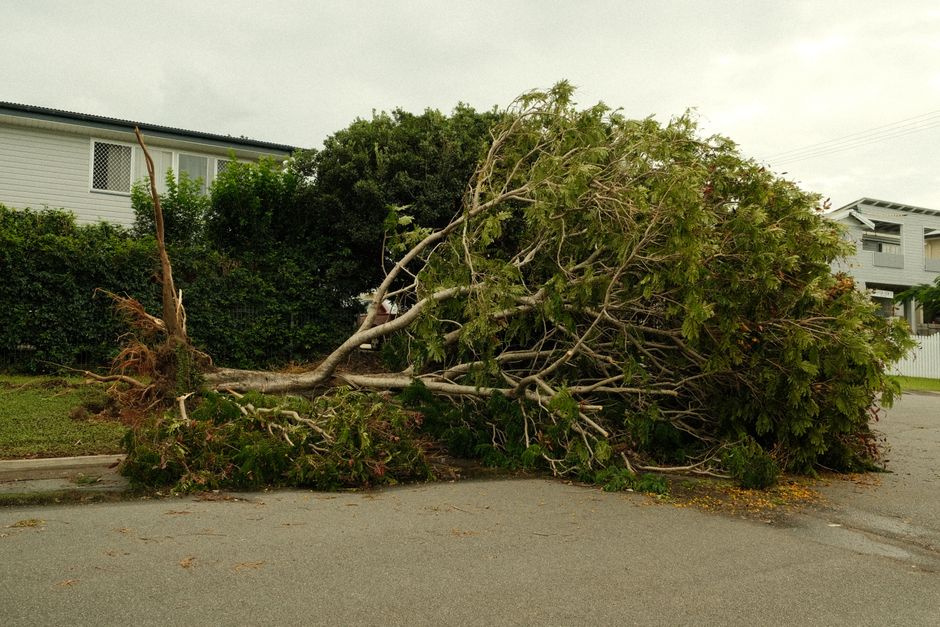
If a tree has come down after a storm, branches are blocking the path, or your garden looks like it has been hit by a very determined wind, you need help quickly. Same day emergency gardeners Croydon for fallen trees and debris is about restoring safety, clearing access, and getting the space under control before the mess turns into a bigger problem. In practice, that usually means fast assessment, careful removal, and a sensible plan for what to do with everything left behind. Not glamorous, no. But very necessary.
This guide explains how emergency garden clearance works, who needs it, what to expect on the day, and how to avoid common mistakes when a fallen tree or scattered debris is making your property awkward, unsafe, or just impossible to use.
Table of Contents
- Why Same day emergency gardeners Croydon for fallen trees and debris Matters
- How Same day emergency gardeners Croydon for fallen trees and debris Works
- Key Benefits and Practical Advantages
- Who This Is For and When It Makes Sense
- Step-by-Step Guidance
- Expert Tips for Better Results
- Common Mistakes to Avoid
- Tools, Resources and Recommendations
- Law, Compliance, Standards, or Best Practice
- Options, Methods, or Comparison Table
- Case Study or Real-World Example
- Practical Checklist
- Conclusion
- Frequently Asked Questions
Why Same day emergency gardeners Croydon for fallen trees and debris Matters
A fallen tree is not just an eyesore. It can block doors, crush fences, damage decking, tear through planting beds, and make simple movement around the garden awkward or unsafe. Even smaller debris, such as heavy limbs, scattered twigs, wet leaves, broken trellis, or soil dumped by uprooted roots, can create slip hazards and prevent you from using the outdoor space properly.
In a place like Croydon, where gardens often sit close to fences, outbuildings, side access routes, and neighbouring boundaries, the mess can affect more than just one plot. A branch leaning into a shared alleyway or over a boundary line needs handling carefully. That is where a same day response really earns its keep. Time matters because unstable trees and loose debris can shift, drop, or spread after rain and wind. And let's face it, London weather has a way of arriving with no warning at all.
Emergency gardening services are also important because they help you make the site usable again quickly. Maybe you need to get the children out to the garden, maybe you are worried about access for a delivery, or maybe you simply need to stop looking at a broken, messy space from the kitchen window every time the kettle boils. Fast clearance restores calm. That sounds simple, but when you are in the middle of it, it is a proper relief.
Expert takeaway: the best emergency garden response is not just about removing visible waste. It is about reducing immediate risk, protecting surrounding features, and leaving the site safe enough for a proper follow-up tidy-up or repair.
For more structured site help after the initial emergency, many homeowners also look at garden clearance and tree lopping and removal once the urgent danger has passed.
How Same day emergency gardeners Croydon for fallen trees and debris Works
The process is usually straightforward, though the exact approach depends on the size of the tree, how it has fallen, and whether anything valuable or fragile sits underneath it. A good emergency gardener will start with a quick assessment, often by phone first and then in person. They will want to know what has fallen, whether access is blocked, whether power lines are involved, and whether the tree is still moving or under tension.
That last part matters. A branch under strain can snap suddenly. It sounds obvious, yet it is one of those details people understandably overlook when they are focused on getting things cleaned up quickly. If a stem is bent hard against a fence or wall, removing the wrong section first can make the rest of the tree behave unpredictably. Not ideal.
Once the site is assessed, the team will usually prioritise the most dangerous material first: hanging limbs, sharp broken wood, unstable trunks, or debris blocking access routes. After that, the work moves into cutting, lifting, loading, and removing waste. If the fallen tree has damaged adjacent beds, lawns, or hard landscaping, the team may also do enough basic reinstatement to leave the area safe and tidy rather than half-finished.
For routine follow-up care after emergency work, garden maintenance can be useful because a storm-damaged space often needs more than a single visit.
What usually happens on the day
- Initial call or message: you describe the damage, the location, and any access issues.
- Urgency check: the gardener confirms whether the site is safe to attend immediately.
- Arrival and inspection: the area is assessed for hazards, unstable sections, and damage.
- Priority clearance: the most dangerous or obstructive material is removed first.
- Debris collection: branches, leaves, bark, and broken garden material are gathered and loaded.
- Site tidy: the area is left as clean and usable as possible.
- Next-step advice: you are told whether further tree work, fence repair, or landscaping may be needed.
The whole thing should feel calm and organised. If it feels rushed in the wrong way, that is a bad sign. A genuine emergency service is efficient, yes, but not chaotic.
Key Benefits and Practical Advantages
The main benefit is obvious: speed. Same day response reduces the time your garden stays blocked, unsafe, or exposed. But there are other advantages that people often appreciate even more once the immediate panic settles.
- Reduced risk of injury: sharp branches, hidden roots, and unstable timber are dealt with before someone trips or cuts themselves.
- Less property damage: quick clearance can prevent further rubbing, dragging, or collapse onto fences, paving, or sheds.
- Improved access: you can get to side gates, bins, driveways, patios, and rear entrances again.
- Better mental breathing room: a messy garden is oddly draining; clearing it quickly helps you think again.
- Clearer next steps: once the debris is removed, it is easier to see what actually needs repair.
- Safer for neighbours and passers-by: this matters especially where fallen material overhangs boundaries or shared paths.
There is also a practical financial point, though nobody enjoys thinking about that in the middle of a storm. Delaying action can sometimes make damage worse. A trunk left pressing against a fence for days may warp panels further. Wet debris left in piles can start to smell and attract pests. The space can also become more difficult to access later, which means more labour. So while emergency gardening is an urgent service, it can also stop a small problem from becoming a bigger one.
If the aftermath is substantial, combining emergency clearance with garden clearance is often the most practical route.
Who This Is For and When It Makes Sense
This service makes sense for homeowners, landlords, letting agents, and business premises managers who need swift action after a tree falls or large debris spreads across a garden. It is especially relevant if the damage affects access, safety, or the appearance of a property that needs to stay presentable.
Typical situations include:
- a tree falling across a path, driveway, or rear access route
- large limbs landing on lawns, beds, or decking
- storm debris covering an entire garden after heavy wind
- branches resting on sheds, fences, or pergolas
- root upheaval causing soil, turf, and garden waste to scatter
- urgent clearance needed before guests, tenants, or contractors arrive
It also makes sense if you are not sure whether the issue is safe to handle yourself. That is not weakness. It is common sense. A lot of people see one damaged branch and think, "I can sort that with a saw and a free hour." Then they get halfway through and realise the branch is suspended under tension and the whole thing is nastier than it looked. Happens more often than you'd think.
If the tree itself needs cutting back, stabilising, or removing, a specialist visit to tree lopping and removal may be the better long-term answer after the immediate emergency has been handled.
Step-by-Step Guidance
Here is a practical way to deal with fallen trees and debris without making the situation more complicated.
1. Stop and look for immediate danger
Before moving anything, check whether the tree is near overhead cables, fences, windows, sheds, or anything cracked and unstable. If you can see power involvement or a serious structural risk, do not start pulling or cutting. Keep people away.
2. Clear the area of people and pets
This sounds basic, but it matters. Even a small movement can shift weight suddenly. Children, dogs, and curious visitors should be kept well back until the site has been assessed properly.
3. Make a quick note of access and damage
Take a few photos if it is safe to do so. Not for show. Just for your own reference. You will want to remember where the damage sits, what is blocked, and whether anything looked unstable before work began.
4. Contact a same day emergency gardener
Describe the size of the tree, the type of debris, and whether there are fences, buildings, or paths involved. The more precise you are, the better the response can be. You do not need fancy language. "A large branch has come down across the back gate and there's debris on the lawn" is absolutely fine.
5. Ask what will be removed and what will be left
Some services remove only the immediate hazard. Others include full loading and disposal of branches, leaves, and broken garden materials. Clarify this early so you know whether you are booking emergency clearance or a fuller tidy-up.
6. Let the team work in the safest order
Good teams will remove risk first, then bulk material, then smaller debris. Try not to direct every cut. This is one of those times where too much well-meaning input can slow things down. The site has to be worked from a safety logic, not from the neatest-looking angle.
7. Review what needs follow-up work
Once the emergency is over, inspect fences, roots, edging, turf, and nearby planting. You may only need a minor repair, or you may need a proper landscaping plan. Either way, now you can see what you're dealing with.
If the storm has left the whole garden in rough shape, it can be sensible to plan repairs alongside landscaping or related recovery work rather than trying to patch everything piecemeal.
Expert Tips for Better Results
A few small choices make a big difference in emergency situations. In our experience, the best outcomes usually come from calm communication and a clear first look at the site.
- Do not stack on top of the damaged tree: extra garden waste, bins, or tools can make access awkward and increase risk.
- Keep the route clear: make sure the gardener can get from the street or drive to the affected area without squeezing past obstructions.
- Tell them about hidden issues: mention rot, previous tree movement, shaky fence posts, or old decking nearby.
- Ask about waste handling: branches and timber can be bulky, and a proper load plan saves time.
- Think about the whole boundary: a fallen tree often damages more than it touches directly. Roots may disturb beds or edging several metres away.
- Book follow-up while the details are fresh: if hedge lines, borders, or lawn edges were affected, it is easier to restore them promptly.
A small but useful habit: take one photo before any work starts, one mid-way, and one after the clearance. Nothing dramatic, just a record. It helps if you need to explain the sequence later to a landlord, insurer, or neighbour.
If shrubs or boundary planting were thrown out of shape, hedge trimming can often help re-balance the garden once the emergency material is gone.
Common Mistakes to Avoid
People usually make the same few mistakes after a tree falls. Understandable, really. Stress makes everyone a bit too eager to solve the problem immediately.
- Trying to cut unstable timber without checking tension: this is the big one. A branch can spring or roll in a split second.
- Ignoring the root cause: if a tree fell because it was rotten, leaning, or badly anchored, the underlying issue may still be there.
- Forgetting boundary issues: if debris has crossed into a neighbouring garden, communicate early and politely.
- Leaving wet debris in piles: it can become slippery and harder to remove later.
- Assuming all gardeners handle emergency tree work the same way: not all services have the same equipment or approach.
- Not asking about disposal: you do not want a neat pile of cut branches left behind if the whole point is a same day fix.
Another common mistake is focusing only on the tree and forgetting the aftermath. Broken sections can damage lawns, paving, decking, and even drainage channels if leaves and bark block them. You can clear the obvious mess and still have a hidden problem. That's the annoying bit.
Tools, Resources and Recommendations
You do not need a shed full of equipment to deal with an emergency, but it helps to know what professionals typically bring and what you may want on hand for the aftermath.
| Item | Why it matters | Best used by |
|---|---|---|
| Chainsaw or pruning saw | Used for cutting larger fallen limbs and trunk sections | Qualified or experienced operatives only |
| Gloves and eye protection | Helps protect against splinters and sharp edges | Anyone helping with minor safe tidying |
| Tarpaulin or heavy-duty sacks | Useful for bundling lighter debris or containing loose material | Homeowners and garden teams |
| Wheelbarrow or garden trolley | Speeds up movement of cut branches and waste | Garden clearance teams |
| Rake and leaf collector | Helps remove smaller debris after the main tree material is gone | Homeowners and maintenance crews |
| Ladder or pole tools | Sometimes used for follow-up work, though only where safe and appropriate | Professionals with proper training |
For ongoing upkeep after the emergency, services like garden maintenance and lawn mowing can help the garden recover faster and look less battered while the bigger repairs are planned.
One more recommendation: think about waste handling and recycling. Fallen trees create a lot of material very quickly, and responsible disposal is part of doing the job properly. If that matters to you, the company's approach to recycling and sustainability is worth checking before the work begins.
Law, Compliance, Standards, or Best Practice
This kind of work touches on safety, property care, and sometimes neighbour relations, so it is worth keeping things sensible and lawful. While the exact obligations vary depending on the site and circumstances, a few best-practice points apply in the UK context.
First, any work near power lines, unstable structures, or severely damaged trees should be treated cautiously. Do not assume it is a simple garden job if the tree has fallen into a risky position. Professional judgment matters here. Secondly, if the tree or debris affects shared boundaries, access routes, or neighbouring gardens, it is usually best to communicate early and keep a written record of the issue and the work carried out. That can save a lot of awkwardness later.
Safety and insurance are also relevant. A service provider should have a clear approach to risk management and suitable insurance for the type of work they carry out. You can review practical details on insurance and safety and the company's health and safety policy if you want more reassurance before booking.
Best practice also means not overpromising. A same day visit can often make the area safe and workable, but severe storm damage may still need follow-up tree work, fence repair, or landscaping later on. That is normal. Good service is honest service.
If you want to understand the wider service range, the services overview is a useful place to see how emergency work fits into longer-term garden care.
Options, Methods, or Comparison Table
When a tree or heavy debris has come down, there are usually three ways people approach the problem. The right choice depends on urgency, risk, and how much clean-up is actually needed.
| Approach | Best for | Pros | Limits |
|---|---|---|---|
| DIY tidy-up | Very small, clearly safe debris | Quick, low cost, simple | Not suitable for tensioned wood, big branches, or blocked access |
| Standard garden clearance | Non-urgent waste after the danger is removed | Good for bulky clean-up and general tidying | May not be fast enough for immediate hazards |
| Same day emergency gardener | Fallen trees, urgent debris, unsafe access, storm damage | Fast response, safer handling, practical triage | May not include full repair or reconstruction |
In plain terms, if the tree is still posing a risk, same day help is the sensible option. If the danger has already been made safe, a broader clearance or restoration visit may be enough. Sometimes the best plan is both: first the emergency response, then the longer tidy-up.
Case Study or Real-World Example
A typical Croydon scenario goes something like this. After a windy night, a homeowner steps into the garden on a damp Tuesday morning and finds a heavy limb across the back path, with smaller branches spread over the lawn and a mess of bark near the shed. The gate barely opens. The patio is littered. Not a disaster, but enough to make the whole space feel shut down.
They call for same day help and explain that there is access to a rear garden, a damaged fence panel, and one large branch resting awkwardly across a smaller shrub. The response starts with assessment, then the unstable branch is removed carefully before the rest of the debris is cut and loaded. The team also checks whether the fence needs immediate attention and whether there are any hidden roots or broken sections left behind.
By the end of the visit, the path is clear again, the lawn is usable, and the homeowner can open the gate without wrestling it. The garden is not magically perfect. It still needs a little care. But the stress is gone, and that matters more than people expect in the moment.
That is usually the real value of emergency gardening: not just a tidy finish, but the feeling that the place is back under control. A small victory, maybe. Still a victory.
Practical Checklist
Use this checklist when you are dealing with fallen trees or debris and need same day help.
- Keep everyone away from the damaged area
- Check for power lines, unstable wood, or structural damage
- Take a quick photo if it is safe to do so
- Clear a route for safe access to the garden
- Describe the size and position of the fallen tree clearly
- Mention fences, sheds, decking, patios, or paths that may be affected
- Ask what will be removed and what disposal is included
- Confirm whether any follow-up repair or trimming may be needed
- Arrange further care if the site still looks stressed or uneven
- Keep records if the issue may involve a landlord, neighbour, or insurer
Quick sanity check: if you are unsure whether the tree is safe to approach, leave it alone and get professional help. Really. It is the safer move.
If you want a smoother wider recovery after the emergency, it can help to plan related services too, such as landscape gardening or decking services if those areas were damaged during the fall.
Conclusion
Same day emergency gardeners Croydon for fallen trees and debris are there to deal with the messy, urgent, slightly stressful moments that can catch any garden out. The main job is simple to say and not always simple to do: make the space safe, clear the obstruction, and leave you with a garden that can breathe again.
When you choose the right service, you get more than a fast clean-up. You get calm judgement, practical handling of awkward material, and a clearer path to repairs, trimming, or full restoration if needed. That is why same day response matters so much after storm damage or a sudden fall. It stops the day getting worse.
Get a free quote today and see how much you can save.
If you are still weighing up your options, remember this: quick action is not overreacting when a tree has fallen. It is simply good garden sense, and it can make all the difference to how quickly things feel normal again.
Frequently Asked Questions
How quickly can same day emergency gardeners in Croydon attend?
Same day attendance depends on workload, location, and the severity of the damage. If the situation is urgent and access is clear, many emergency jobs can be assessed and started quickly. The best approach is to explain the hazard clearly at the first contact.
Can emergency gardeners remove a whole fallen tree?
Often, yes, depending on the size of the tree, access, and whether there are safety complications. Some jobs need only partial removal to make the area safe first, with the rest handled as a follow-up. Large or unstable trees may need more specialist handling.
What should I do before the gardener arrives?
Keep people and pets away, avoid moving heavy branches yourself, and make sure the team can reach the affected area safely. If possible, note any obvious risks such as leaning sections, damaged fences, or nearby structures.
Is fallen tree debris treated as garden waste?
Usually, yes, though disposal arrangements can vary depending on the type and amount of material. Branches, leaves, bark, and smaller garden debris are commonly removed as part of a clearance service. It is worth confirming this before the visit.
What if the fallen tree is touching a fence or shed?
That should be mentioned immediately, because the tree may be causing hidden pressure or damage. The gardener will normally assess the safest order for removal so the structure is not made worse during the clearance.
Do I need emergency help if the tree has already stopped moving?
If the tree is stable and not creating a hazard, you may be able to book non-urgent clearance instead. If it is blocking access, threatening a building, or making the area unsafe, same day help is the safer choice.
Can I cut up the debris myself?
Only if the material is small, clearly stable, and easy to handle. If a branch is under tension or the tree has fallen awkwardly, DIY cutting can be risky. A lot of accidents happen when people underestimate how wood wants to move once it is cut.
Will emergency gardeners also tidy the rest of the garden?
They will usually focus on the urgent hazard first and remove the main debris. Some teams also do a practical tidy of the surrounding space, but deeper restoration or replanting may need a separate visit. It depends on the scope agreed at the start.
How do I know if I need tree removal rather than just clearance?
If the tree is badly damaged, rotten, repeatedly falling, or unsafe to keep in place, removal may be the better long-term solution. Clearance alone deals with the immediate mess, but it does not always solve the underlying tree problem.
Are same day emergency gardening services more expensive?
They can be, because urgent attendance and rapid mobilisation usually take more planning and resources. The exact cost depends on the amount of material, access, and risk involved. For a clearer picture, it is sensible to compare the emergency response with the likely cost of delay.
What if the debris is affecting my neighbour's property too?
Let them know as soon as possible and keep the communication calm and factual. Shared boundaries can complicate matters a bit, but a clear, polite update helps a lot. If the damage crosses a boundary, it is best handled transparently.
Can emergency gardeners help after storm damage even if the tree is not fully down?
Yes. Hanging branches, leaning trunks, and scattered storm debris are all common reasons to call for urgent garden help. Sometimes the most dangerous material is the bit that has not fully fallen yet, which is why quick assessment matters.